Design Interactive
Design Interactive.
2025
Vision, Strategy, Culture
Founder + President
Founded Design Interactive to address a gap at UW–Madison: no community for developing responsible social practitioners at the intersection of design & tech. Built the operating system, structure, culture, and client projects, that now puts 75+ students through ethics-grounded design work serving local nonprofits and startups.
This is what ignited
01 / Vision
What if there was not only a community for where students could develop an understanding of the foundations of design, but also an informed awareness of people, contextual needs and societal impacts?
There was no design & tech community at UW–Madison. I also felt there was an increasing fear around the harm that emerging technologies could do (and have done), and anger at the power and privilege at the hands of people creating them. And so I thought:

When crafting Design Interactive’s vision, I asked myself not only what could Design Interactive do on campus, but what could it mean for the world?
A generation of responsible social practitioners building tech solutions that nurture life on Earth.
This prompted more questions:
How do people learn design + tech foundations rooted in critique, ethics, and thought?
How could we be conversation starters for tough, audacious conversations?
How do we get people to yearn for resilient, nurturing futures?
Hosting bold and ambitious conversations for the community.
Design foundational workshops rooted in ethics + critique.
Pro-bono design work for local businesses that lack time + money.
Guest speakers + site visits from socially-responsible businesses.


So, here is how we went about it:
02 / Strategy
How do you build reflection and critique into students' instincts, not just into the sessions designed for it?
My approach was to bake in social responsibility as core to everything that we offered.
Education
Teaching judgement
Making sure workshop activities include cues to reflect on potential unforeseen consequences of their solutions, and opportunities to work through how to mitigate some of that harm, while keeping the quality of the product.
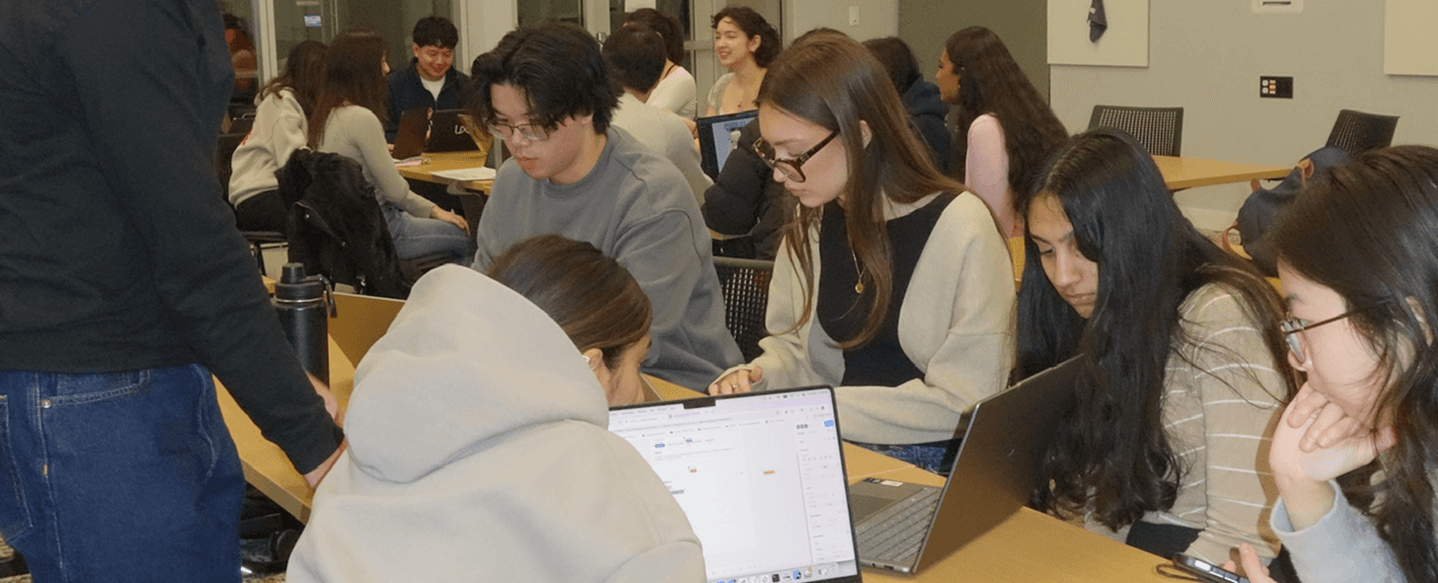
Especially for members who aren’t part of the semester-long projects, getting experience with a wide range of skills and just even interacting with others to create something.
In our weekly opportunities + events newsletter, I felt it was important to spotlight not only awesome designers do cool things, but also those awesome designers that currently getting less representation.
Foundational workshops rooted in critique + broader consideration
Hands-on experimentation
Spotlighting underrepresented voices

Client Work
Sustainable consulting + relationship building
Growing up in Wisconsin, the Wisconsin Idea (using your privilege of education to serve the people of the state) is my north star. It felt really important that our pro-bono projects would life-changing to those we did them for. To support businesses that support our state.
Students learned to design for life after handoff: to stay aligned with the client, and to build solutions and rituals the client could realistically sustain on their own, in their actual business climate.
Only took on projects for organizations that can't afford design help
Sustainable Consulting
Conversations
Initiating ambitious and difficult conversations.
To me, being a responsible social practitioner is to have hard and ambitious conversations. Which is why I wanted DI to not only model that, but also make sure we were transcending beyond the walls of UW–Madison and into the community.
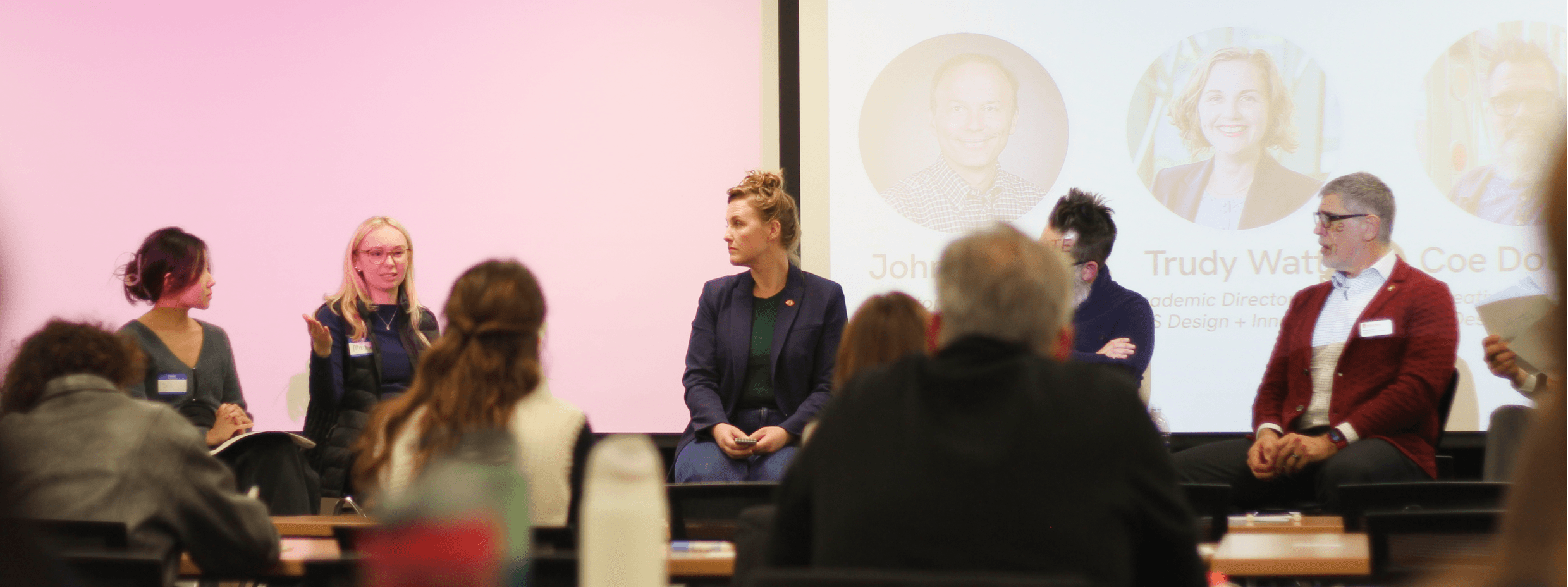
Panelists were 4 directors from four schools/colleges across campus: representing business, engineering, information, and design.

Panel: Transdiciplinary Collaboration in the Age of Emerging Technologies
Emerging technologies are transforming communities, industries, and environments—yet, they are also raising ethical concerns about their often unforeseen impacts.
The panel discussed how today’s most pressing issues require collaboration beyond traditional boundaries, calling for engineers, designers, and business leaders to take a transdisciplinary approach to solve our increasingly complex problems.
03 / Culture
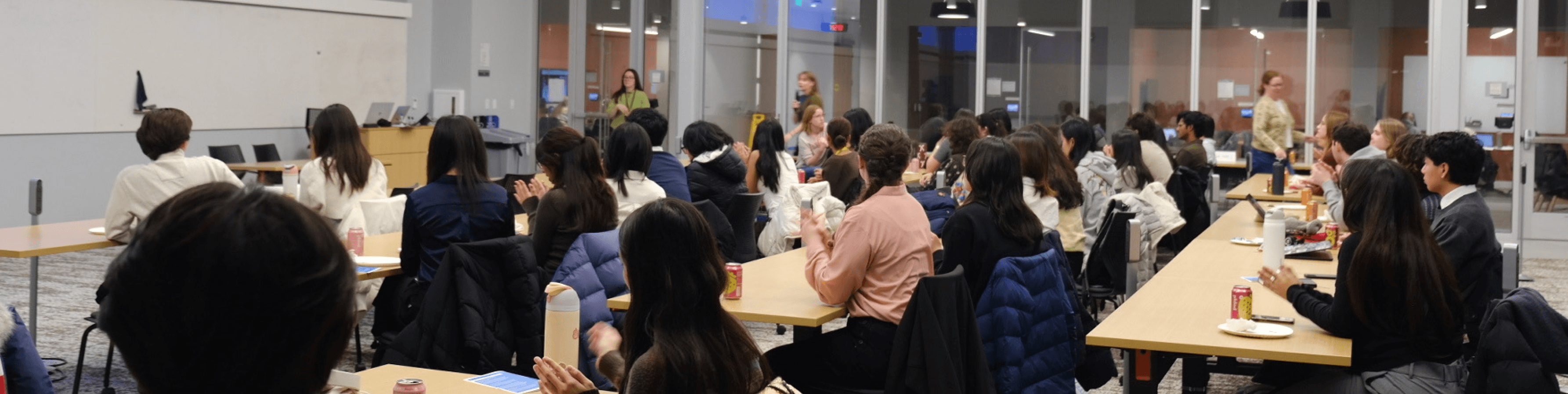
Culture to me feels like the engine of an organization that brings to life the systems and strategies that you implement. And I wanted to focus on creating an engine around two things: ethics and bold dreaming. Here are just a few ways I thought about it:
HUMAN SIDE
STRUCTURAL SIDE
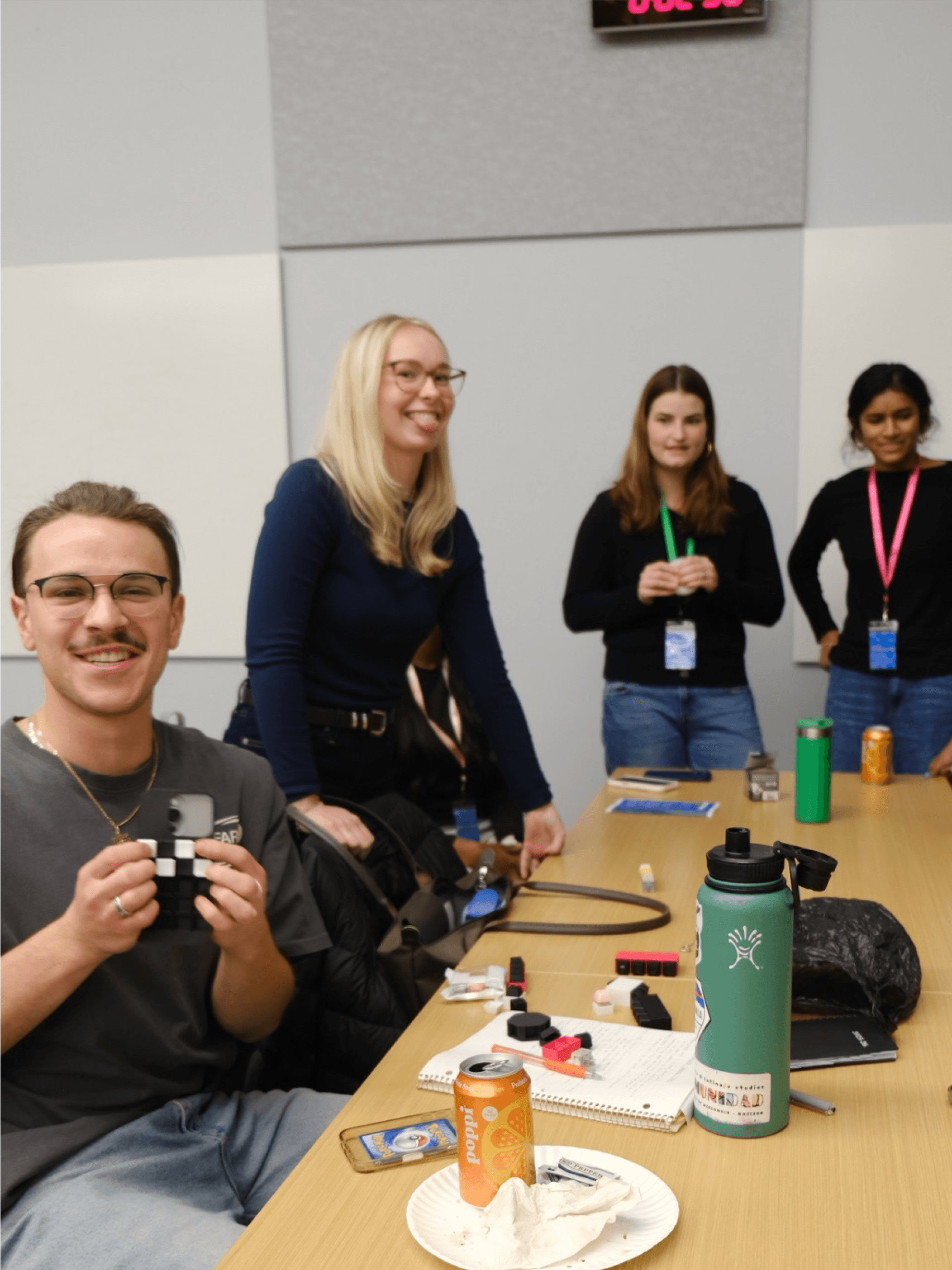
Humor and absurd icebreakers to foster psychological safety. 1:1s and weekly exec meetings where the team co-created the future of DI. Modeling aspiration out loud.
Only sourcing local, sustainably owned snacks for meetings + events. Firmly upholding commitments. Publicly refusing collaborations with orgs that didn’t align with out ethics.
Impact
0 -> 75
4
8
2
40
13
active members in one year
pro-bono projects delivered
guest speakers hosted
design showcases
students given real-world design experience
person leadership team built and managed
Reflection
Everything on this page is a reflection of the students who showed up, the advisors who believed in us, the professionals who gave us their time, and the clients who trusted a few students with a vision.
Personally, this experience has given me the confidence to navigate uncertainty, take initiative, and believe in my ability to create change in the world.
It continues to shape how I approach challenges, leadership, and possibility.
Design Interactive yearns to create
A generation of responsible social practitioners building tech solutions that nurture life on Earth.