BloomCraft
An interactive VR tool intended for K-12 classroom use that aims to simulate experiences in nature for children with limited access to natural spaces
TEAM
Independant
Virtual Reality course @ UW–Madison
Education Design
Foresight
3D Modeling
Coding
Summer 2024
CONTEXT
SKILLS
TIMELINE
How is urbanization impacting us?
Our physical and emotional separation from nature makes it challenging for us to acknowledge our role in the climate crisis as makers, consumers, and humans.
In our increasingly interconnected world, we are losing connection to our most vital system: nature. This human-nature separation is influenced by various factors, one of which being our increasing urbanization.
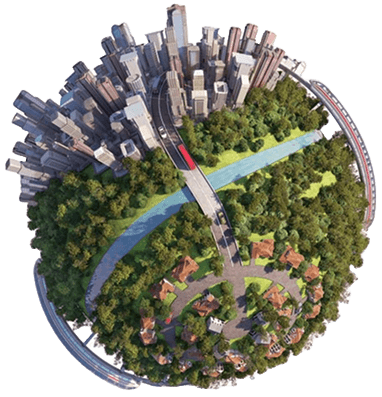
This trend is particularly concerning for urban schools, which often lack access to natural spaces and the resources needed to create outdoor learning opportunities.
Over 1/2 the world’s population lives in urban areas, with WHO predicting that number will raise to ⅔ by 2050
Introduction
Problem
GOAL
Urban schools lack natural spaces and resources for outdoor learning, making it difficult to foster a connection to nature.
Create a realistic virtual natural space that encourages pro-environmental behavior.
The aim is to do this by creating realistic interactions that empower decision-making, evoke emotional experiences, and envision a "way forward."
Decision-making
Emotional experience
Envision “way forward”
Helping understand how to create opportunities for action.
Enriching the experience through embodied learning.
Empowering students to experiment and discover.


Literature Review
Ideate
From reviewing research on human-nature connections and existing VR work, I found that current nature VR experiences lack consideration for how we connect with nature beyond sight and sound.
process of ecological empathy
intellectual vs. emotional understanding
external vs. intrinsic motivators
rational vs. physical experience
behavior vs. perspective drivers
passive vs. active exploration
barriers in the process of ecological empathy
language
lack of exposure
identify politics
judgment
intimidation
standing out
comfort zone
“not knowing”
lack of support system
overwhelming
Needs + Opportunities
agency empowering people to experiment and discover
intentionality mindfulness above convenience
imagination as a way to shift perception and re-conceptualize
embodied learning emotional experience
“way forward” create opportunities for action
Prototype
Concept
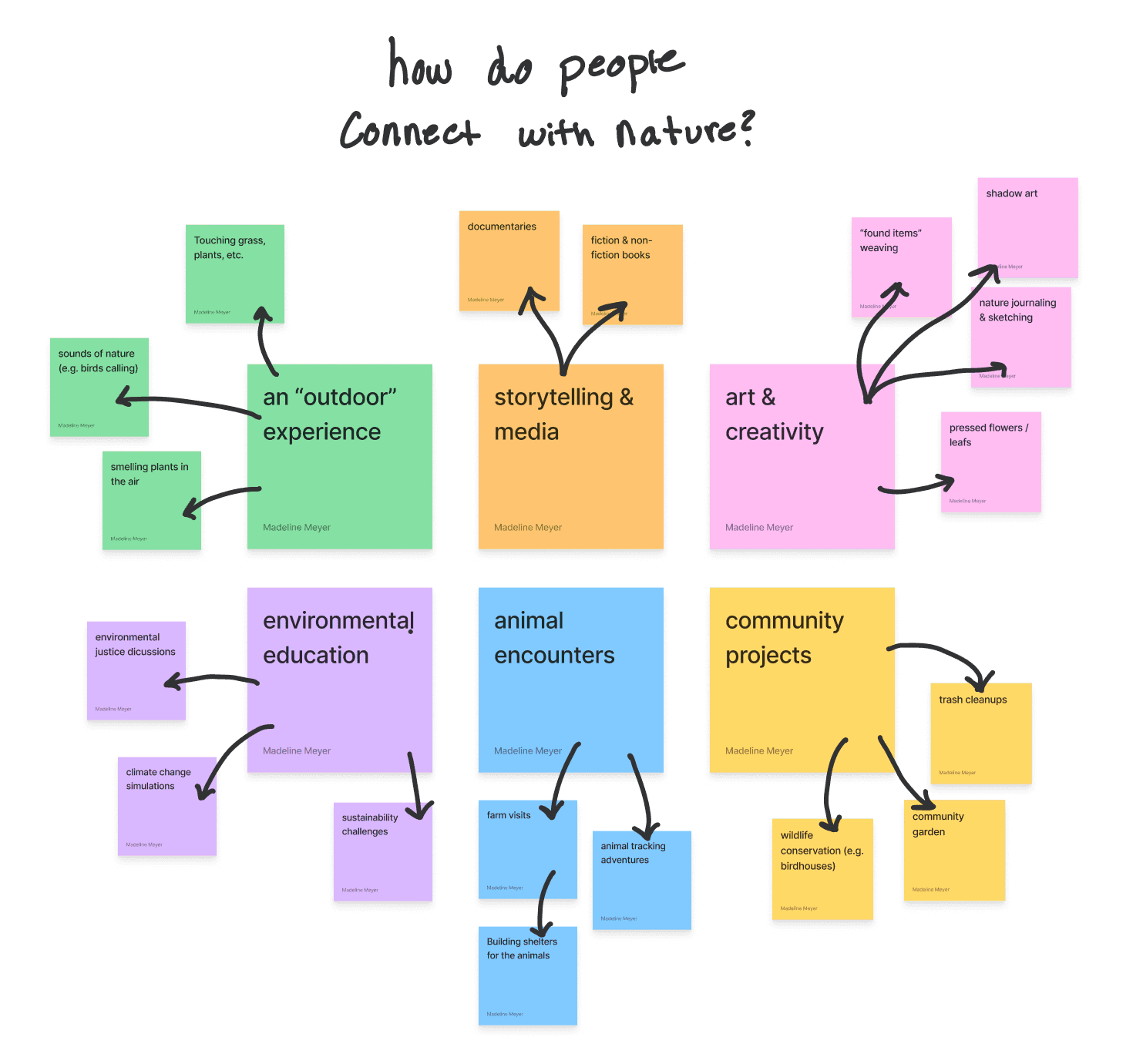
Use VR to replace only what is missing in the equation:
Interactions with natural space. Keep all other components in real life.
Foresight
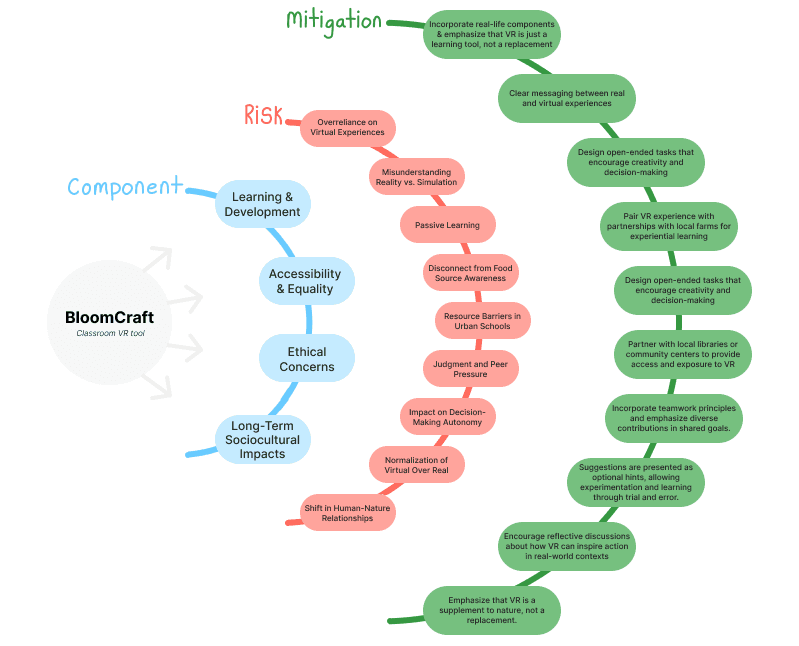
Before prototyping, I used a future-oriented Component --> Risk --> Mitigation method to foresee long-term challenges, identify emerging opportunities, and brainstorm solutions.
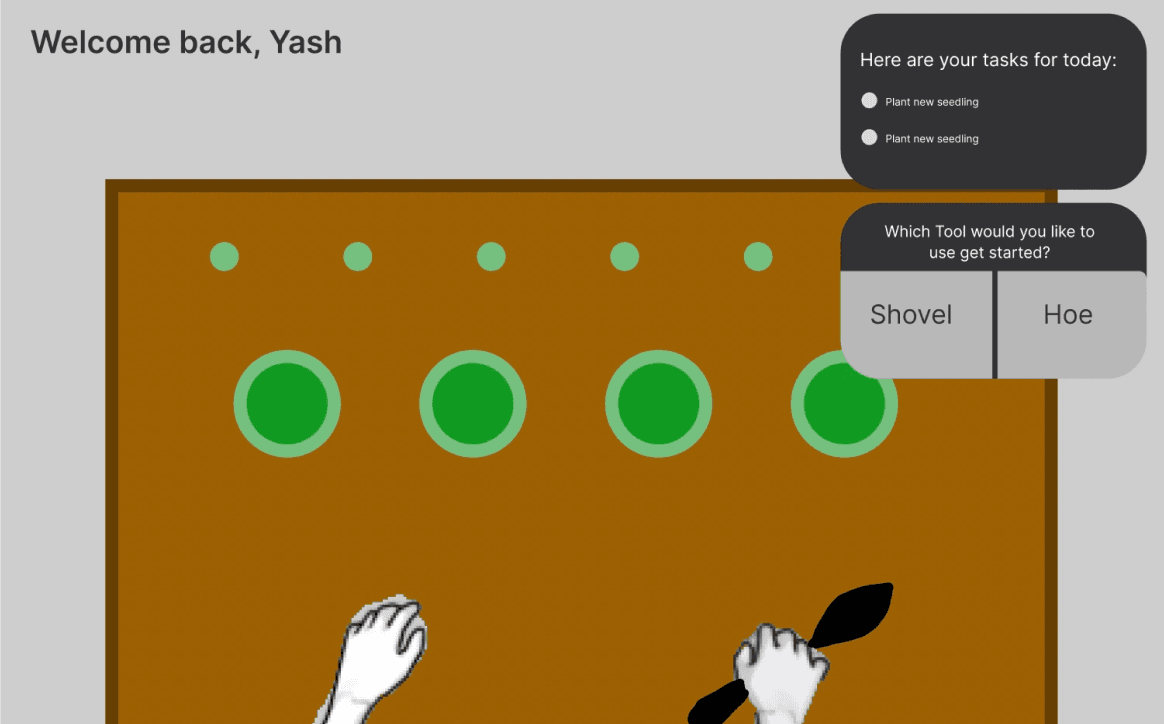
Low-Fidelity Prototype
Developing a static low-fidelity Figma prototype to test interaction flow and interface component ideas.
3D Modeling & Coding
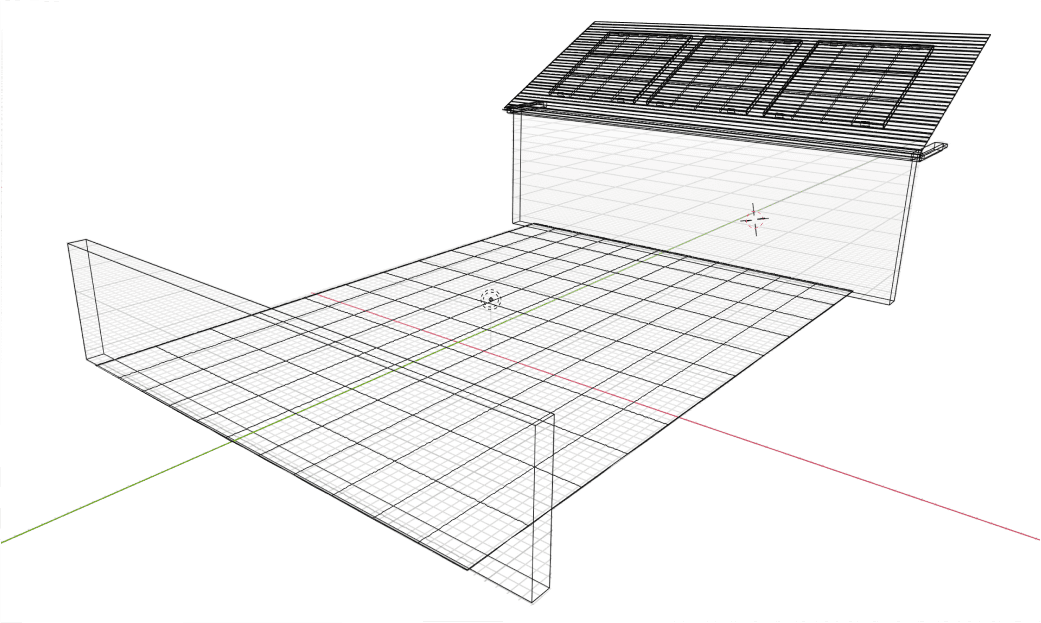
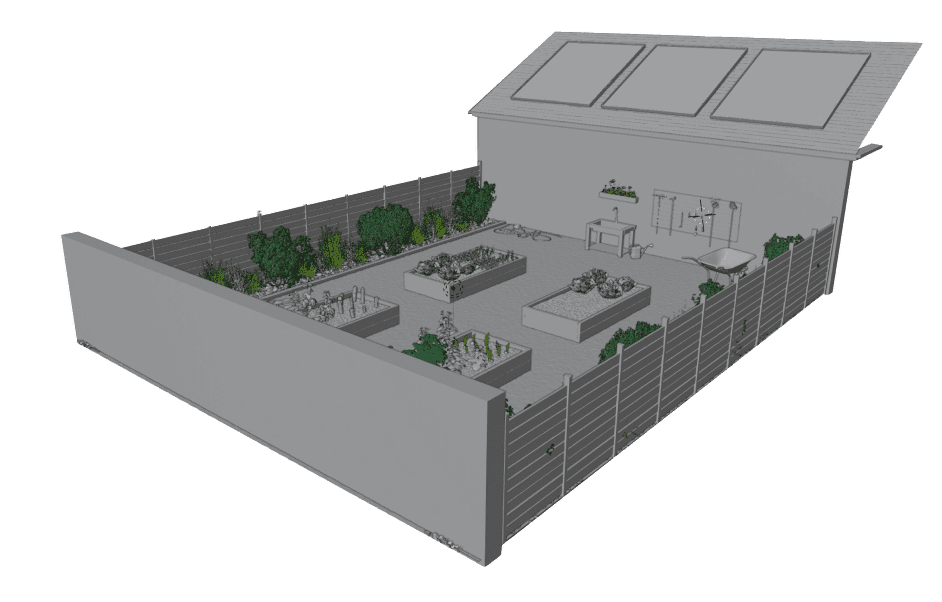
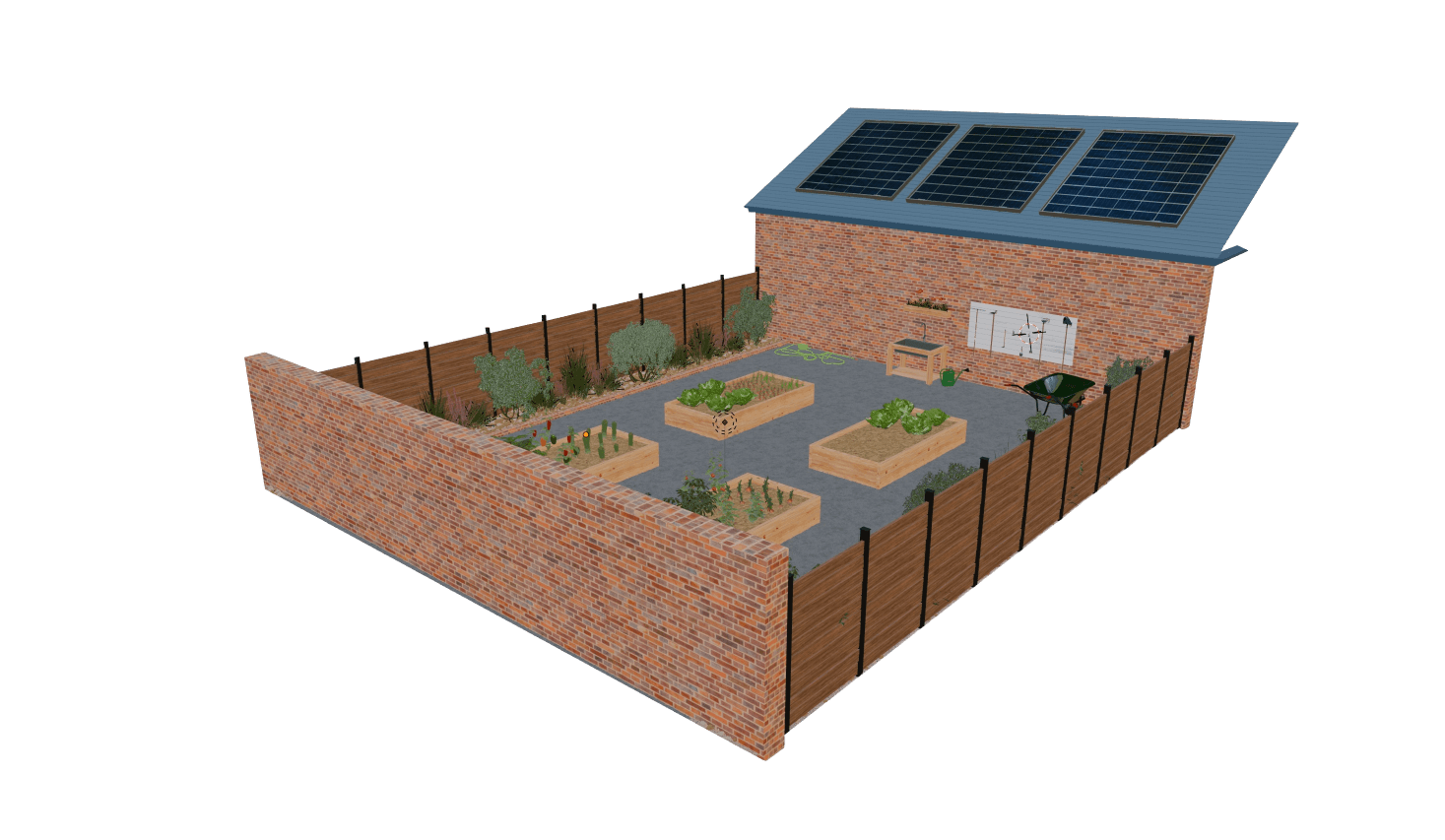
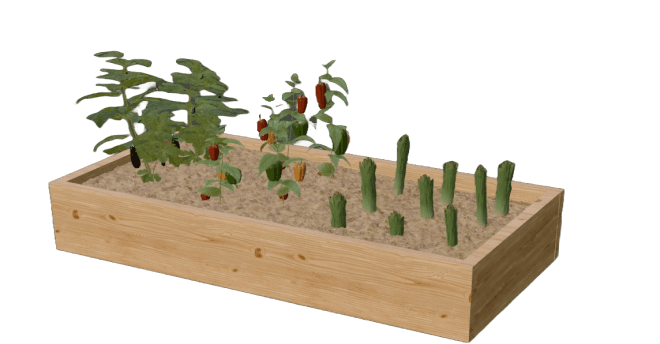
Integrated a 360° image to help create an immersive experience.
360° Imagery
Implemented a sequence style digging by creating different digging & planting scenes that would progress gradually.
Interactive Digging
Coded scripts for player movement, picking up and dropping items, digging dirt, etc.
Coding in C#
Incorporated physics to create more realistic dynamics and an interactive environment.
Implementing Physics
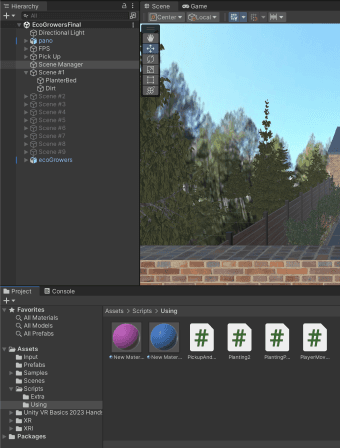
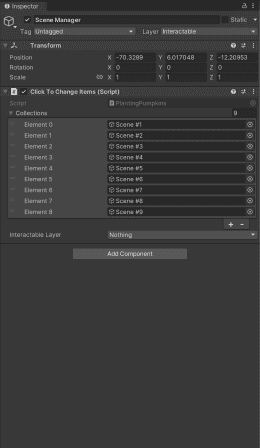
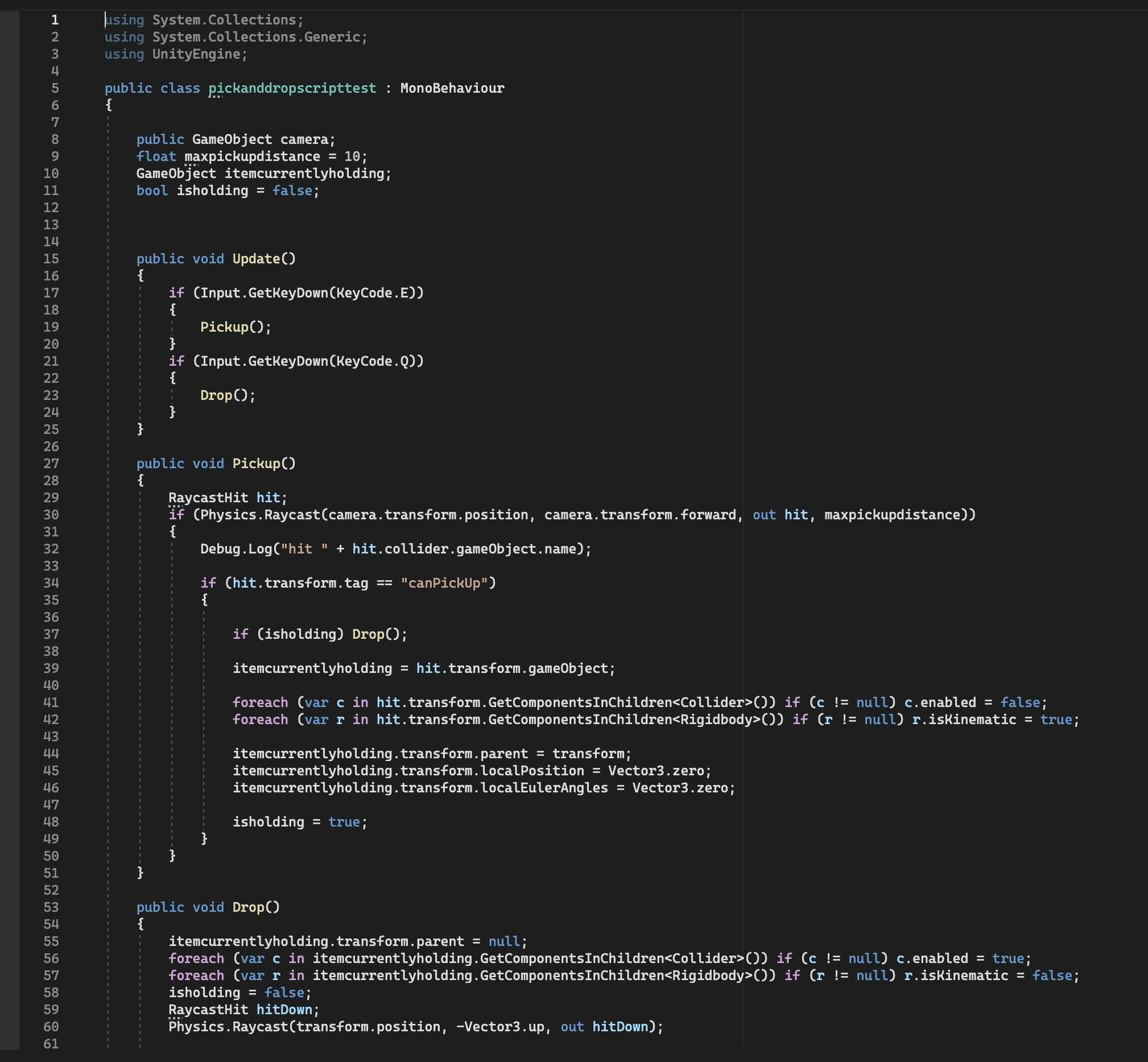
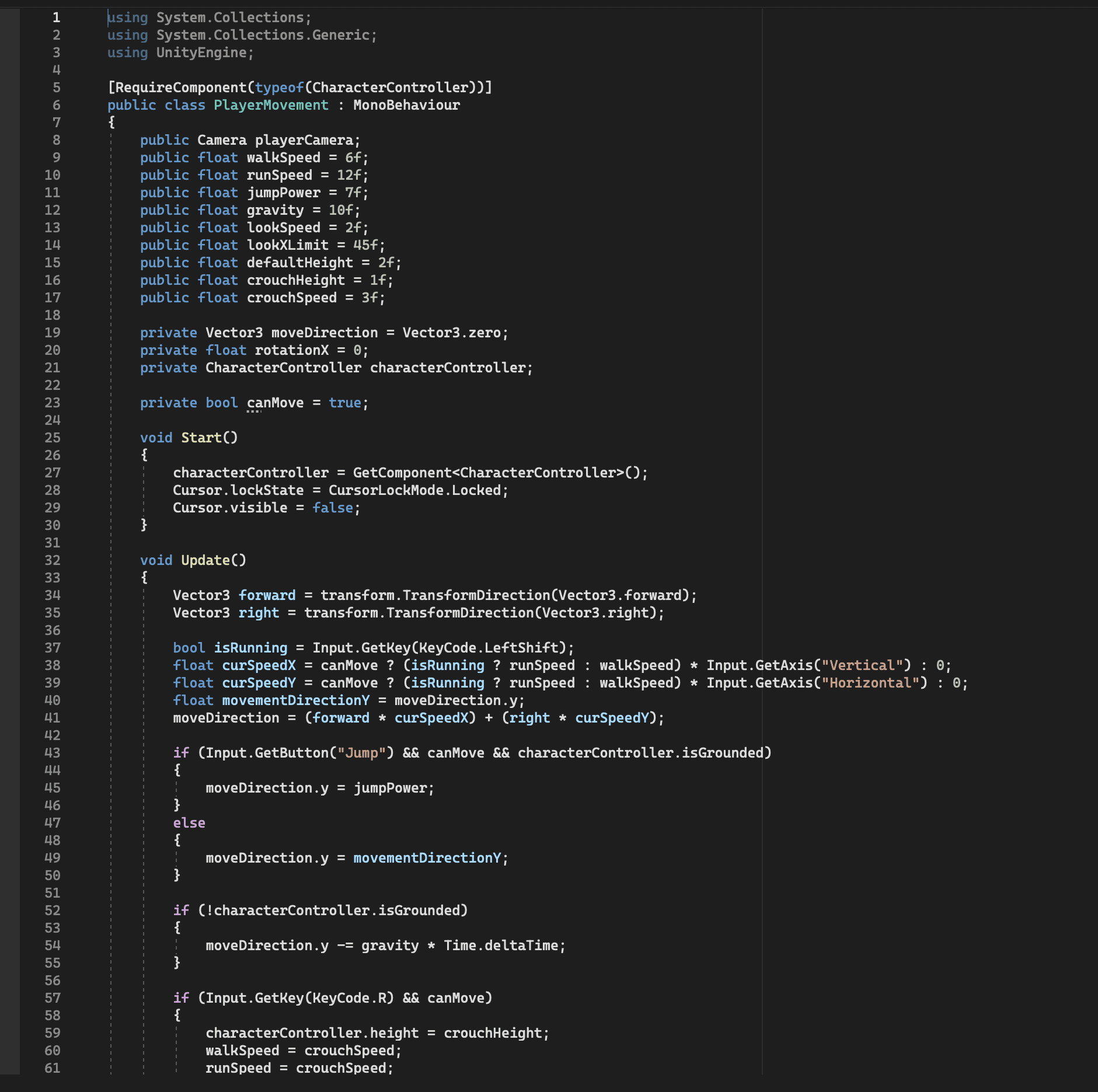
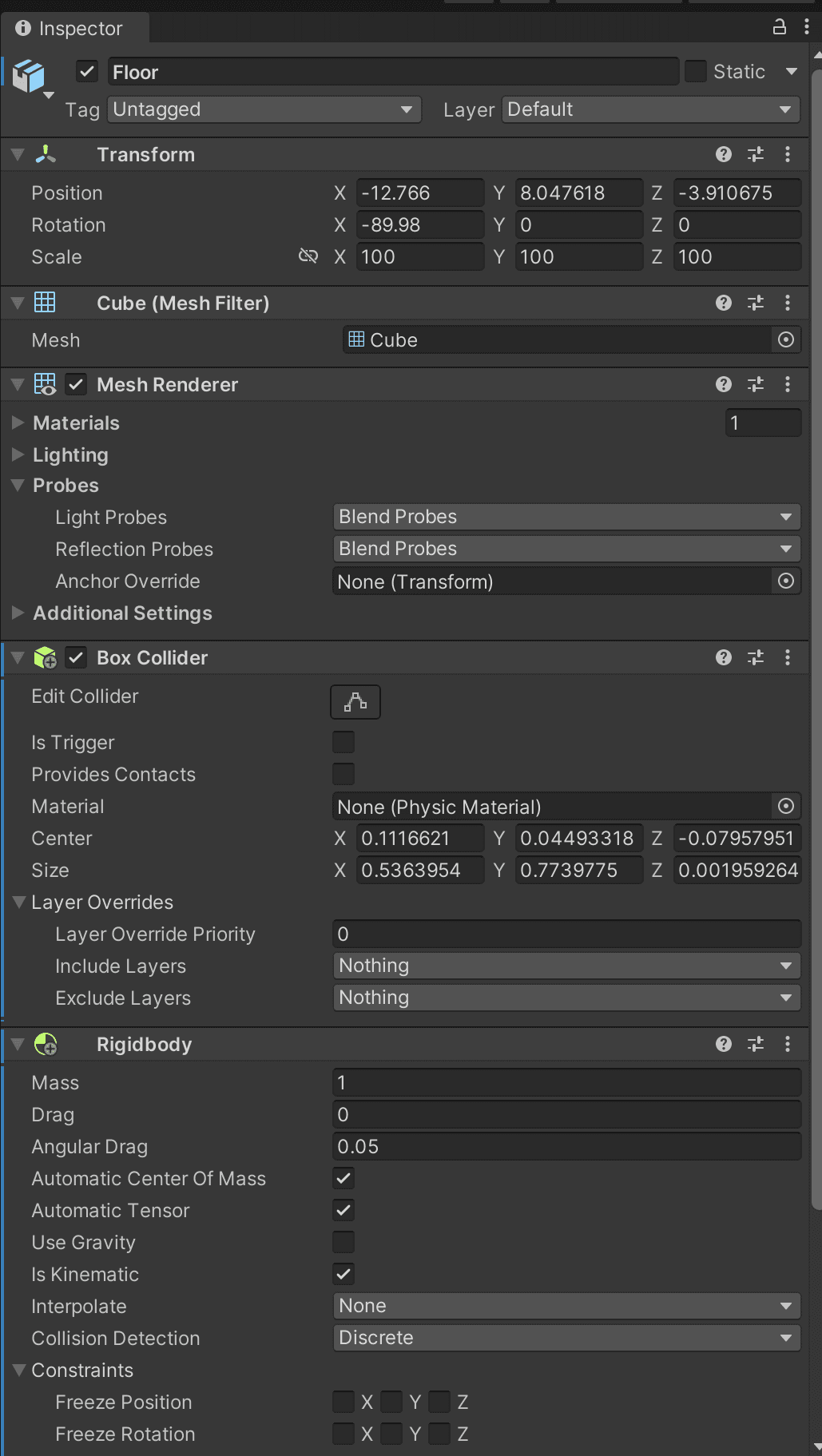
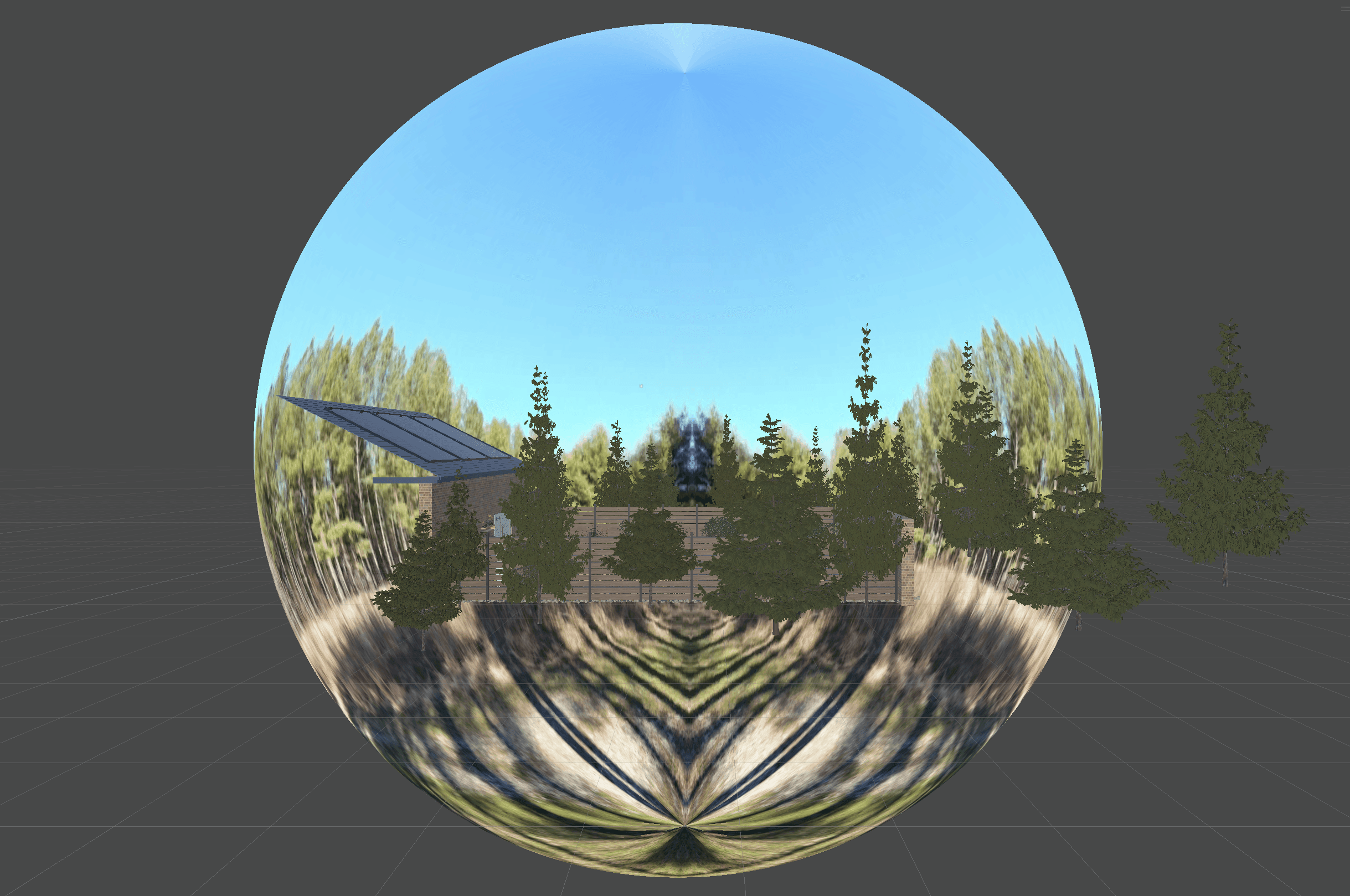
Unity Game Engine
User Testing
User feedback on the high-fidelity prototype reveled two main themes:
Users wanted agency over the way they completed their tasks
It would be helpful to be able to choose the intensity of “hints”
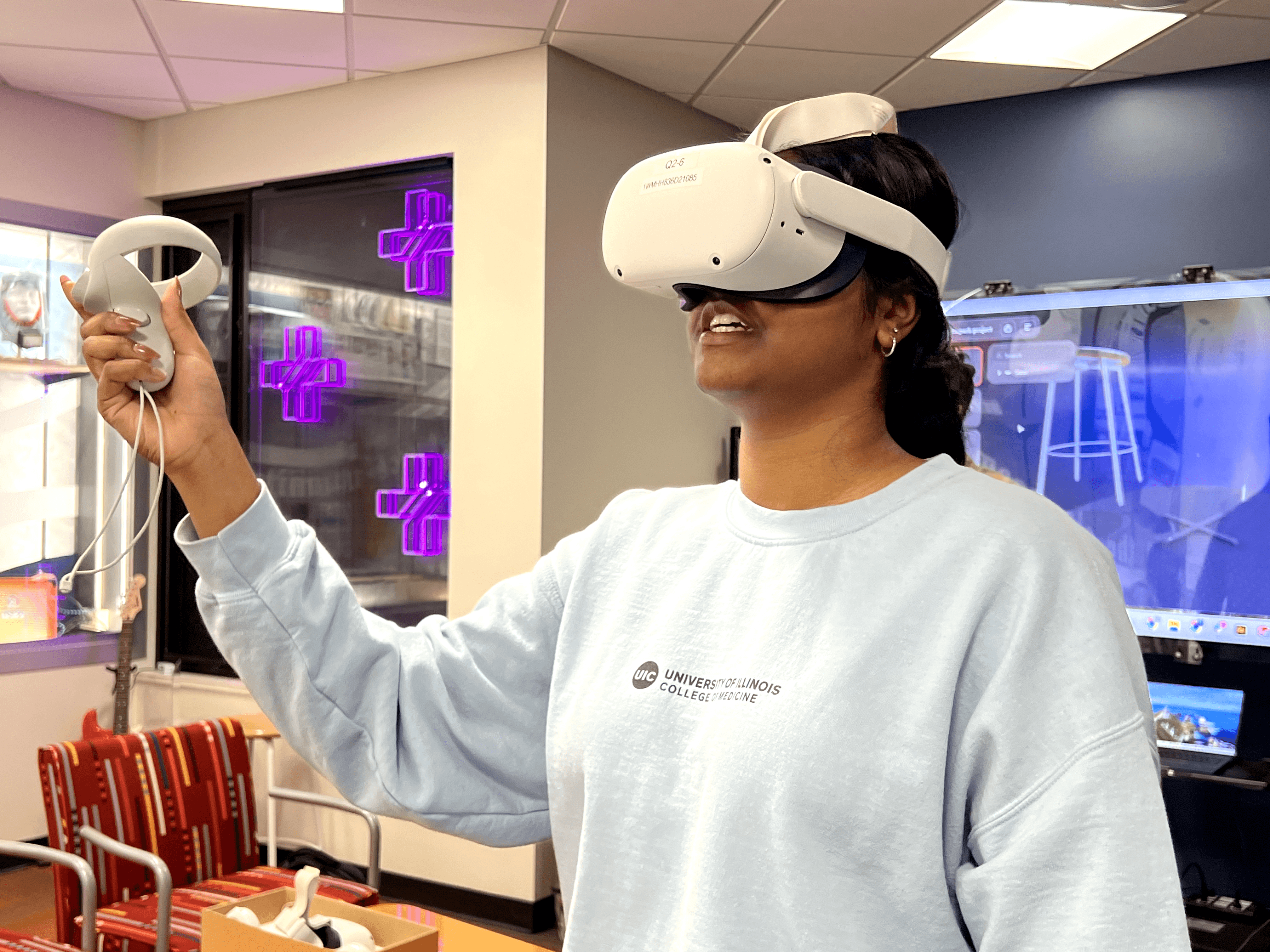
Final Design
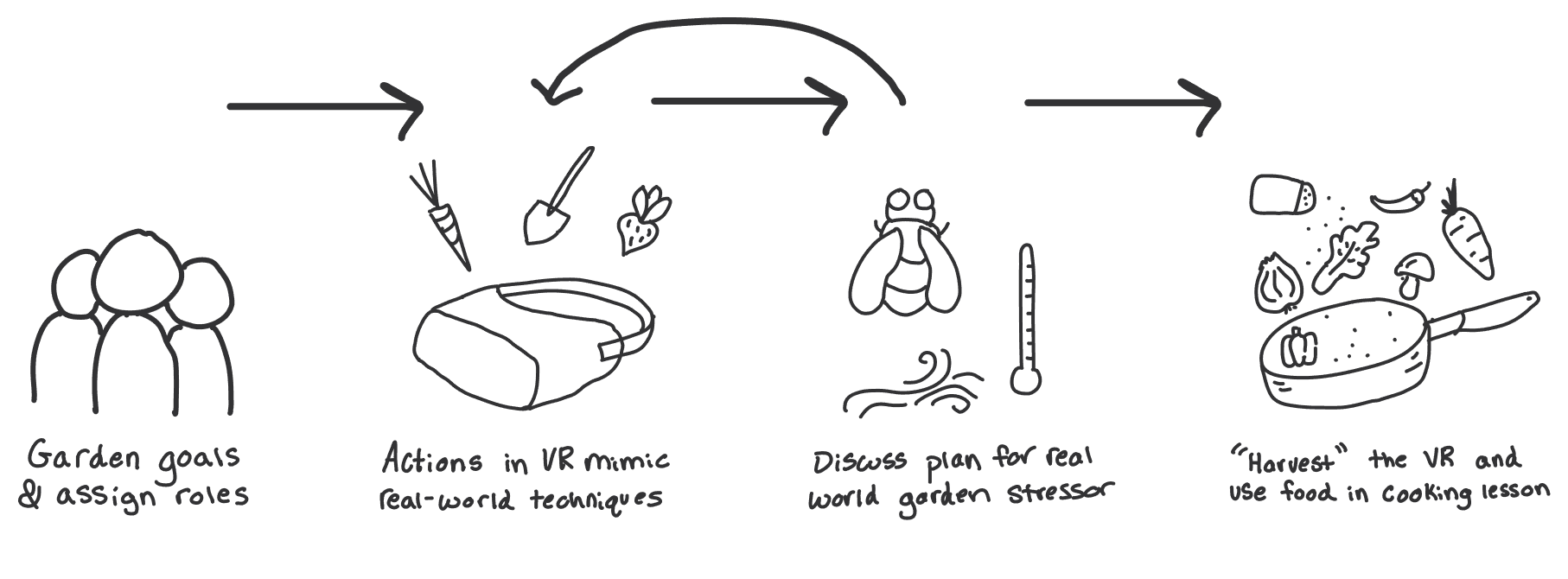
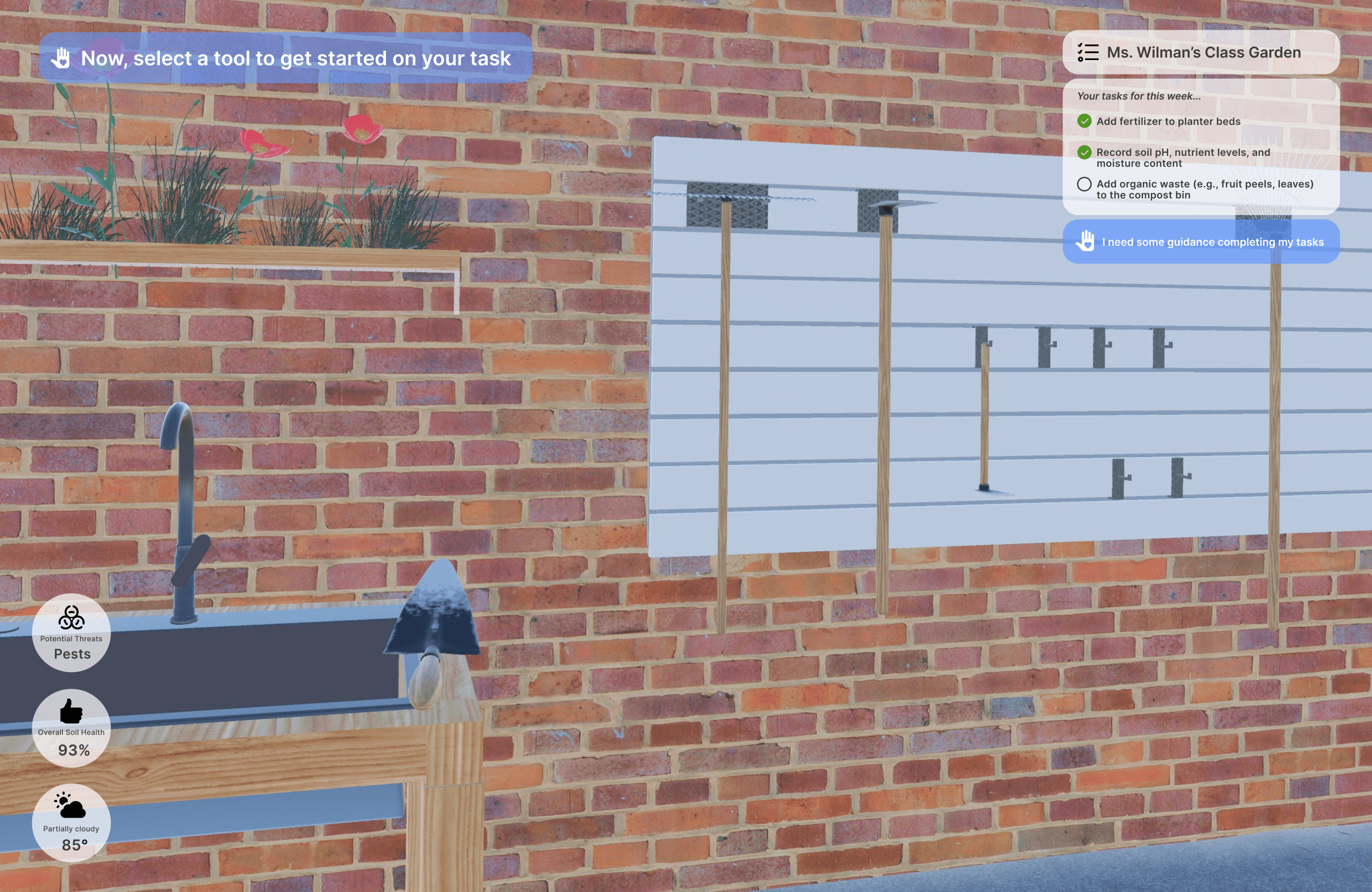
Hand-tracking for natural movements like digging, watering, and weeding.
Mimics real-life actions to build embodied learning and emotional engagement.
Students adapt to dynamic challenges like changing weather conditions, pests.
Encourages critical thinking and active problem-solving.
Students receive immediate feedback on their actions (e.g. “Too much water causes root rot”).
Reinforces cause-effect relationships and fosters learning through trial and error.


Learnings
Understanding historical and cultural context is essential in creating products that are responsible and sustainable.
Technology is not a magic band-aid; it is important to evaluate where it makes sense, and where other solutions may be a better fit.
Foresight helps design stay relevant, responsible, and ready for what’s next.
COMPONENT
RISK
MITIGATION
Something that could go wrong or have unintended consequences if the design isn’t thoughtful.
A key problem area of the design to consider
A solution or strategy to reduce the risk and make the design more responsible and impactful.
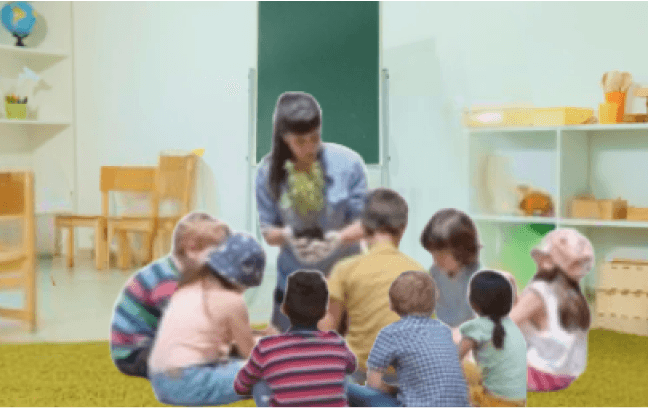
💻 Scenario: AI-Powered Learning Platform for Schools
A public school district adopts a new AI-powered learning platform to personalize instruction for K–12 students. It adapts in real-time to student performance, offering tailored lessons, practice exercises, and progress tracking for both students and teachers. The goal is to close learning gaps and make education more equitable.
Learning & Development
Equity &
Accessibility
Ethical Concerns
Long-Term Sociocultural Impacts